
He Brought a Used Blender to His Cleaning Appointment
We have known each other for more than ten years. More meaningful than clean teeth is his willingness to admit there are still things he has not learned.
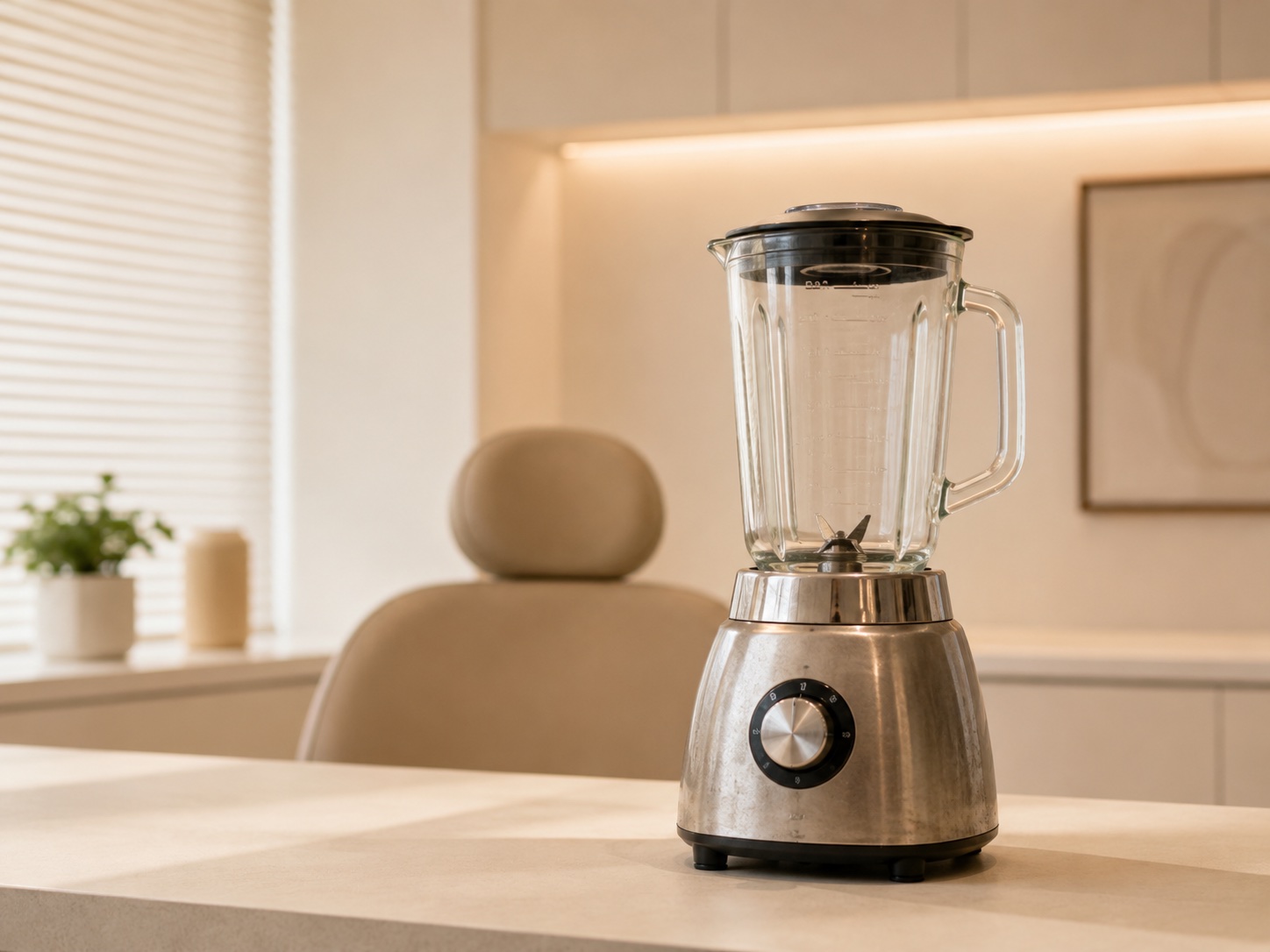
At this appointment, he arrived carrying a used blender.
He put it on the table and explained, very politely:
“I've used it. I hope you don't mind.”
He used to make juice with it often. Then he began to think more about staining, and about how his food and drink habits might affect his teeth. Gradually, he stopped using it. It seemed wasteful to leave it at home, so he wanted to give it to me.
He explained it several times, as though he worried that it was not a proper enough gift. But in that moment, I was not thinking about the blender.
I was thinking about how completely his relationship with his teeth had changed over the past decade.
We have known each other for more than ten years. When we first met, he was young and moved through life quickly. Brushing was brushing; eating was eating. The direction of the toothbrush, the places most easily missed, or how to guide floss between teeth did not seem worth separating into such detail.
He was not someone who naturally knew how to manage his oral health, and the change did not happen all at once.
There was no single day when he became a disciplined person. It happened slowly.
One follow-up visit, one question, one demonstration repeated, followed by a small adjustment at home. Years later, looking back, his habits had changed completely.
Now he asks carefully at every visit. How long should he wait before brushing after a meal? Which areas need more attention? At what angle should he hold the toothbrush? Once the floss is between the teeth, which tooth surface should it rest against?
When he has not fully understood, he does not simply nod and say that he knows. If floss still feels awkward, he says directly:
“I'm still not very good at this. Can you show me once more?”
Then he tries again in front of me. It is not enough to watch once. He checks one movement and one direction at a time: whether the floss is actually against the tooth surface, whether the pressure is too strong, and whether he is cleaning the right place.
For an adult, it is not always easy to say, “I don't know how.” But because he never pretends that he already knows, he is able to keep correcting himself.
Over the years, his oral health has become increasingly stable.
We used to arrange a cleaning about every six months. Later, the interval gradually extended to once a year. That does not mean regular checks matter less. It means the cleaning is no longer a form of rescue.
He comes back to confirm that things are still holding well: whether earlier wear has changed, whether the gums are stable, whether new risks have appeared, and whether the habits built over the years are still working.
So when this visit was complete, I told him:
“You are not really coming back just for a cleaning anymore.”
A blender is not, of course, a valuable gift. But it reminded me that when someone begins to care seriously for their teeth, the change is not limited to a few minutes of brushing each morning and evening.
They begin to look again at their food, their routines, and the choices they never used to notice. Perhaps he does not need to give up juice entirely for the sake of his teeth.
The important thing is not the blender itself. It is that he now pauses to ask: What does this mean for my teeth? How should I choose?
Some people's teeth seem to stay well cared for all their lives. It is easy to assume that it is natural good fortune, or that they were always self-disciplined. But that is not true of him.
More than ten years ago, he did not yet know much about caring for his teeth. He had missed areas and less helpful habits, like anyone else.
He simply kept asking one more question. When he did not understand, he asked again. When something did not work, he asked to see it demonstrated again. When a habit did not suit him, he adjusted it gradually.
Over time, those small decisions became the stable condition he has today.
Excellent oral hygiene does not mean never making a mistake, or following a perfect routine every day. It is more like a capacity built over time: knowing where problems are likely to begin, knowing what is still not working, and being willing to learn again when needed.
As clinicians, we easily remember what treatment a patient has received. But sometimes the most meaningful change is not that a treatment was completed.
It is the day you notice that the patient no longer needs you to solve the same problems again and again.
This time, he brought a used blender.
What I saw was a change accumulated slowly, over more than ten years.