
Knowledge Center · PEDIATRIC PREVENTION
Children’s Cavity Prevention: When Are Sealants and Fluoride Needed?
Cavity prevention in children is not only about fluoride or sealants. It depends on caries risk, eruption stage, cleaning ability, and diet habits.
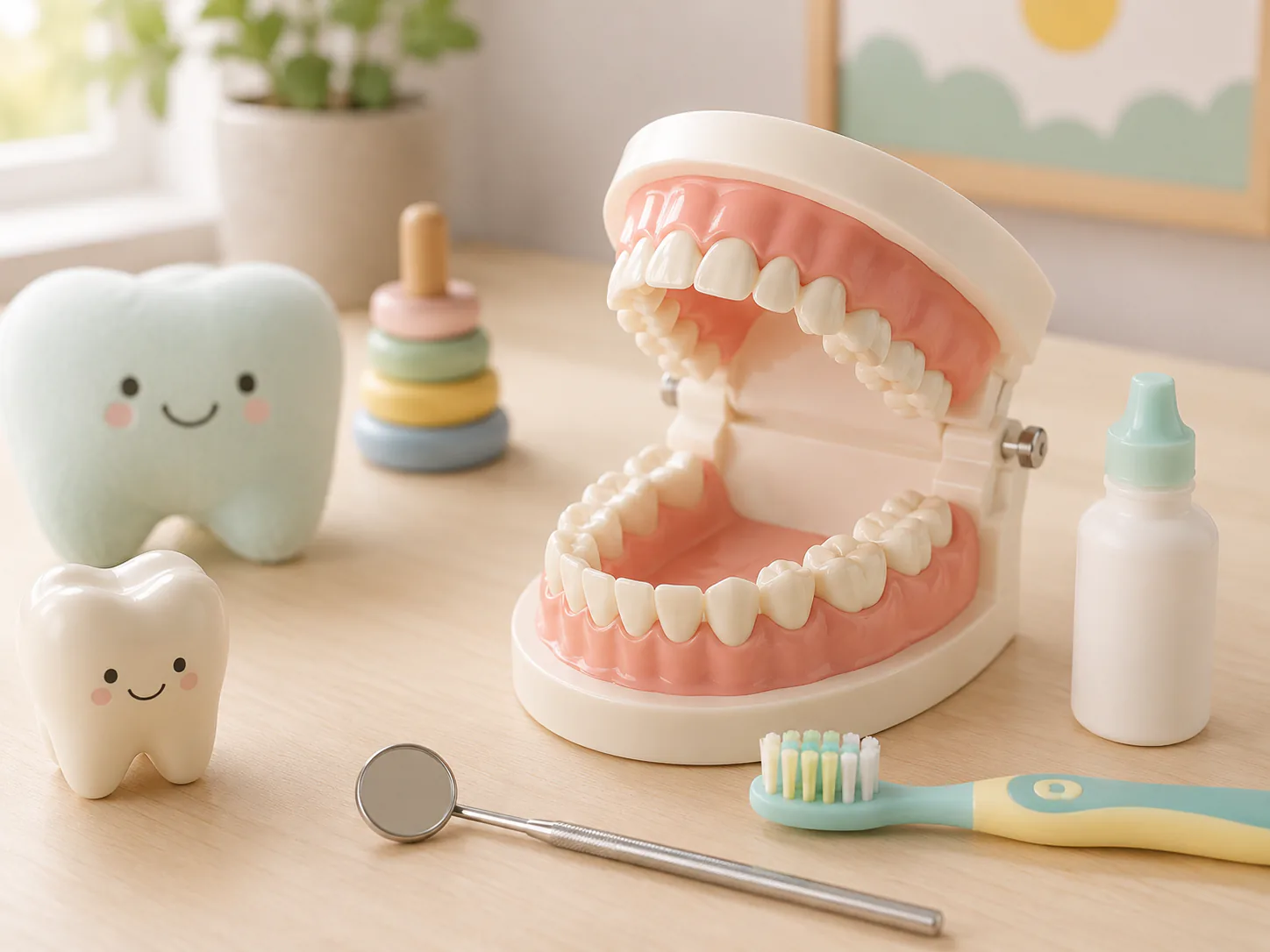
Parents often ask whether their child needs fluoride or fissure sealants, and whether these procedures can prevent cavities completely.
Fluoride and sealants are useful tools in pediatric cavity prevention, but they are not magic protection. Effective prevention depends on caries risk, eruption stage, cleaning ability, diet habits, and family routine.
The Problem You May Be Facing
Common concerns include deep grooves in molars, newly erupted permanent molars, poor brushing, frequent snacks, previous fillings, food trapping, white spots, or black dots on teeth.
Some teeth look clean on the surface but have early demineralization in deep grooves. Some children brush daily but still miss molars or spaces between teeth.
What Really Needs to Be Evaluated
First, eruption stage matters. Sealants are often considered for newly erupted permanent molars, especially first and second molars.
Second, caries risk matters. Previous cavities, inconsistent brushing, frequent sugar exposure, enamel problems, or dry mouth can increase risk.
Third, cleaning ability matters. Brushing must reach the correct areas, and parents may need to help.
Fourth, diet frequency matters. Frequent snacking and sugary drinks can increase risk more than occasional sweets.
How D4 Usually Checks
D4 evaluates primary and permanent tooth eruption, groove depth, early white spots, proximal caries risk, and brushing effectiveness.
X-rays may be used when cavities between teeth are suspected. The dentist may also discuss diet, fluoride toothpaste, brushing technique, and cooperation.
For higher-risk children, prevention may include fluoride, sealants, review schedule, home-care training, diet adjustment, and necessary treatment.
What Patients Should Know Before Treatment
Fluoride helps teeth resist acid and reduce demineralization risk. Frequency depends on caries risk.
Sealants cover deep grooves on molar chewing surfaces so food and plaque are less likely to remain trapped.
Sealants do not protect spaces between teeth, and fluoride cannot repair a tooth that already has a cavity.
Common Misunderstandings
Do sealants prevent all cavities?
No. They mainly protect deep chewing grooves, not every surface.
Is fluoride unsafe for children?
Professional fluoride is applied in controlled amounts. Home toothpaste also needs age-appropriate use.
Do baby teeth matter if they will fall out?
Yes. Cavities in baby teeth can affect pain, chewing, space, and dental experience.
When to Consider a Consultation
If your child has had fillings, deep molar grooves, newly erupted permanent molars, brushing difficulty, white spots, or black dots, a cavity-risk evaluation is helpful.
Related Pathway
This article belongs to the pediatric growth pathway. Continue reading about early orthodontic signs, mixed dentition, and children’s home care.
FAQ
When can children start fluoride treatment?
It depends on age, caries risk, and cooperation. Higher-risk children may need earlier prevention planning.
When should first molars be sealed?
First permanent molars often erupt around age six. Sealants can be evaluated once the tooth is sufficiently erupted and dry control is possible.
Can a tooth with a black spot be sealed?
It must first be checked. The spot may be stain, early decay, or a cavity.
Why does my child still get cavities if they brush daily?
Brushing area, flossing, diet frequency, tooth structure, and caries risk all matter.