
Knowledge Center · EARLY ORTHODONTICS
When Should a Child Be Evaluated for Early Orthodontic Intervention?
Early orthodontic intervention is not about treating as early as possible. It is about observing teeth, jaws, bite, and habits during growth.
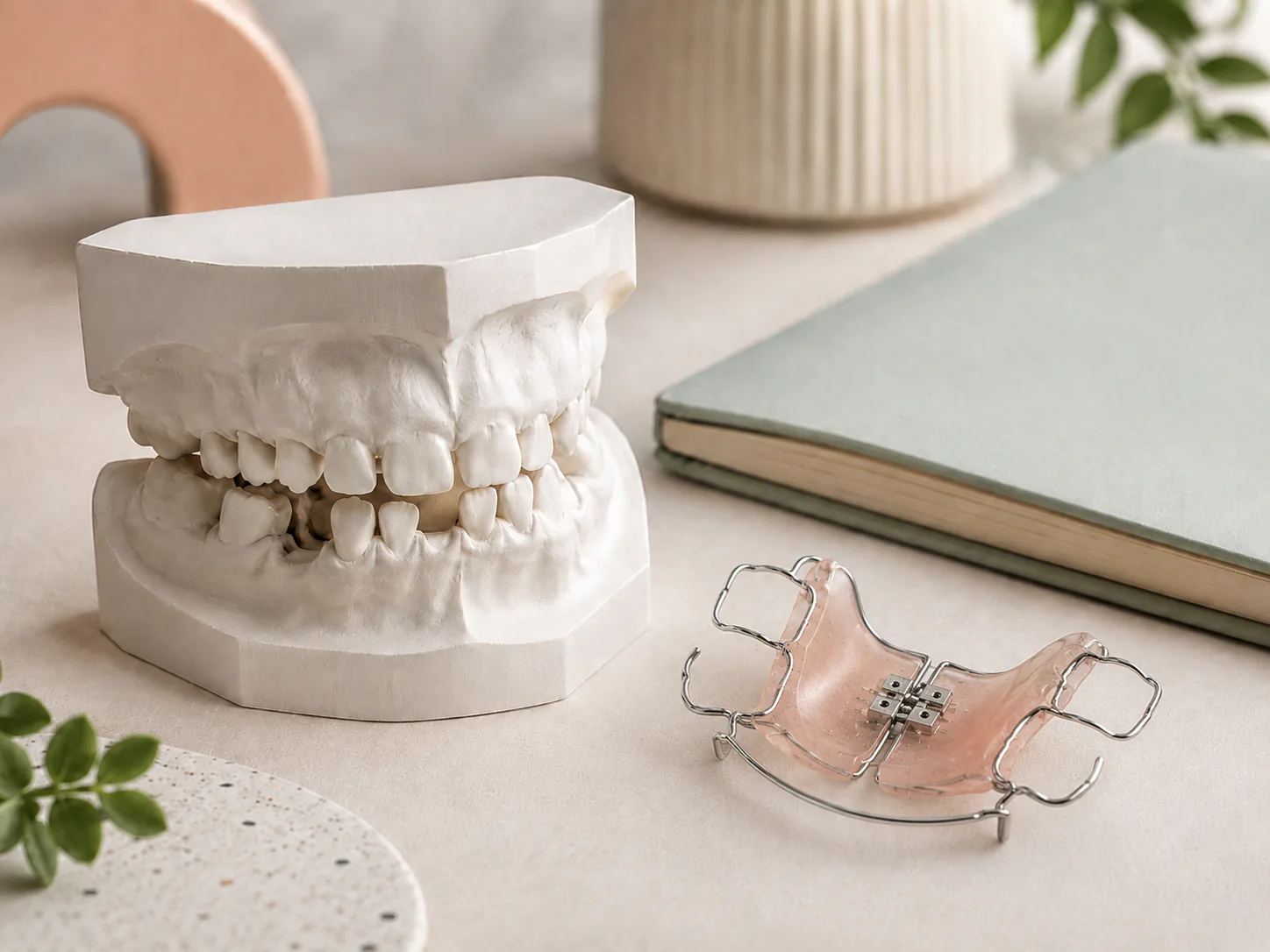
Many parents worry when they see crowded or crooked teeth in a child. Others prefer to wait until all permanent teeth erupt, but some problems are better evaluated during the mixed dentition stage.
Early orthodontic intervention is not about treating as early as possible. It is about observing teeth, jaw growth, bite, and oral habits to decide what can wait and what needs timely attention.
The Problem You May Be Facing
Common concerns include crooked front teeth, lower teeth biting in front of upper teeth, large spaces, delayed loss of baby teeth, lack of space for permanent teeth, mouth breathing, tongue thrusting, thumb sucking, lip biting, or an asymmetric bite.
Some issues are temporary during tooth eruption. Others may affect jaw development, eruption space, or future bite relationships.
What Really Needs to Be Evaluated
First, the dental stage matters. Primary dentition, mixed dentition, and early permanent dentition require different decisions.
Second, space matters. If baby teeth are lost early or the arch is narrow, permanent teeth may erupt poorly.
Third, bite relationship matters. Crossbite, deep bite, open bite, asymmetric bite, and jaw discrepancy may require earlier attention.
Fourth, oral habits and breathing patterns matter. Mouth breathing, tongue thrusting, thumb sucking, and lip biting can affect arch and facial development.
Fifth, cooperation matters. Early treatment requires both child and parent participation.
How D4 Usually Checks
D4 evaluates tooth eruption, arch width, bite relationship, facial pattern, oral habits, hygiene, caries risk, and the child’s acceptance of dental care. Photos, X-rays, scans, or growth records may be used when needed.
If treatment is not needed immediately, regular observation may be recommended.
What Patients Should Know Before Treatment
Early orthodontics does not mean finishing all orthodontic treatment early. Some children still need a second phase later.
The goal is to manage problems that may affect development or future difficulty, such as crossbite, severe space shortage, early baby tooth loss, harmful habits, or asymmetric bite.
Not every crooked tooth needs immediate treatment.
Common Misunderstandings
Is earlier always better?
No. Treatment should have a clear indication and timing.
Is it always safe to wait until all teeth erupt?
Not always. Some jaw and space problems are better evaluated during mixed dentition.
Is children’s orthodontics only about straight teeth?
No. Growth, space, bite, and habit management are often more important.
When to Consider a Consultation
If your child has crossbite, asymmetric bite, early baby tooth loss, delayed eruption, severe crowding, mouth breathing, tongue thrusting, or thumb sucking, an evaluation is recommended.
Related Pathway
This article belongs to the pediatric growth pathway. Continue reading about caries prevention, sealants, fluoride, and mixed dentition care.
FAQ
When should a child have the first orthodontic evaluation?
An initial evaluation can be considered once tooth replacement begins. Treatment depends on the findings.
Do crooked new front teeth need immediate treatment?
Not always. Space, root position, neighboring teeth, and bite need evaluation.
Should crossbite be evaluated early?
Yes. Crossbite may affect jaw development and bite stability.
What if my child is not cooperative?
Building trust and establishing cleaning habits may come before appliances.